


History has shown us that many projects are born from a simple conversation between friends. One day, a small idea pops into the mind of one of them, and what initially seems like a crazy proposal gradually takes shape and evolves until the day it finally comes to fruition.
Thus, one day while sharing a bike ride, businessman Daniel Alonso, owner of the Spanish bicycle brand MMR, and professional cyclist Samu Sánchez, then still a rider of the BMC Racing Team, began to consider the possibility of creating a promising cycling academy. A lot has happened since then, but as soon as the Samuel Sánchez – MMR Cycling Academy project came to light in 2015, his work for grassroots cycling and the training of future national cycling talents has not ceased for a single day. The result of his work has been the stellar emergence of cyclists such as Iván Romeo and Markel Beloki, as well as the imminent emergence of the promising Benjamín Noval, among others.
We had the opportunity to speak with Samu Sánchez about this interesting project, and this article is the consequence of a pleasant and interesting conversation with someone who is passionate about cycling.
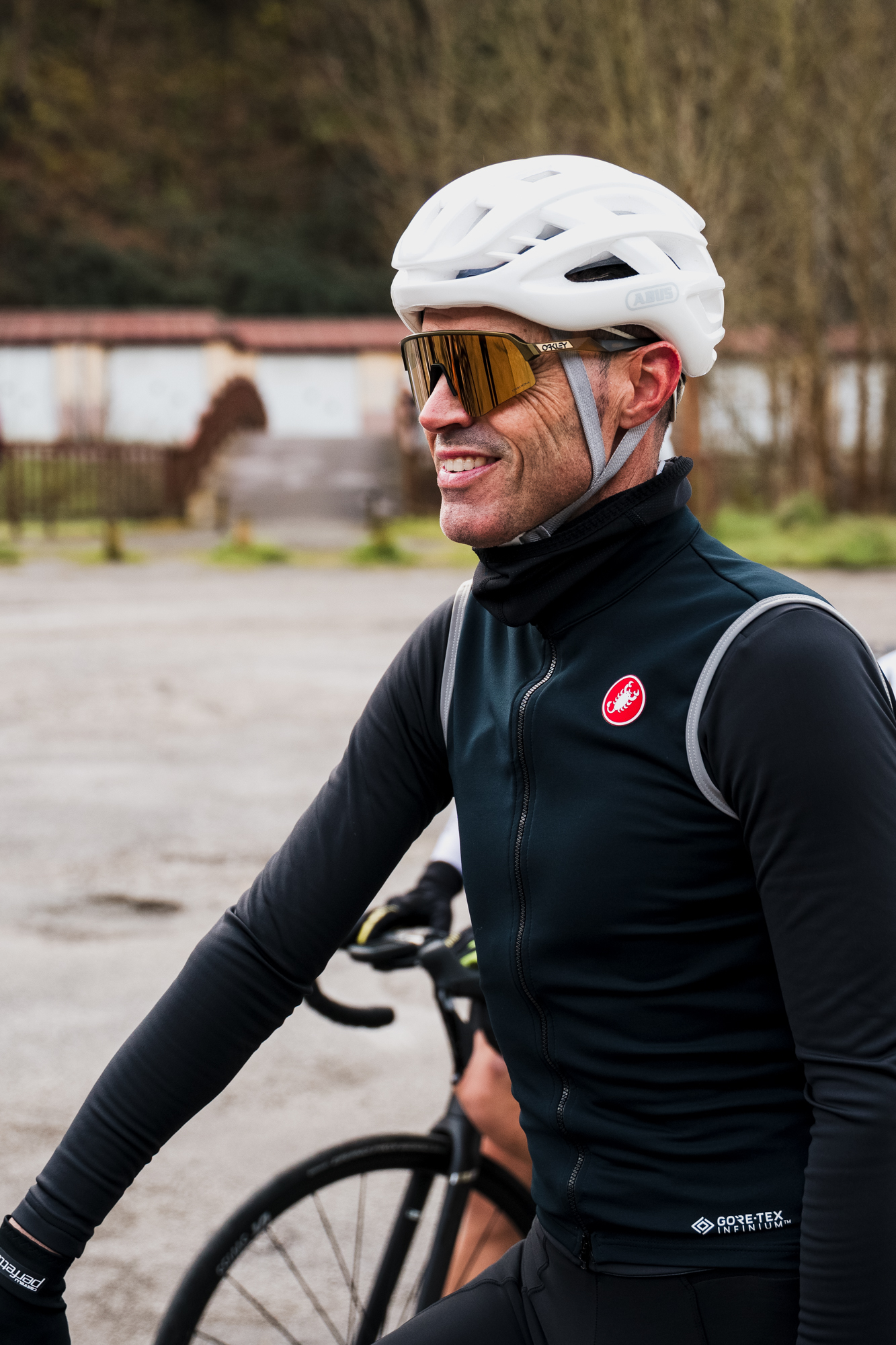
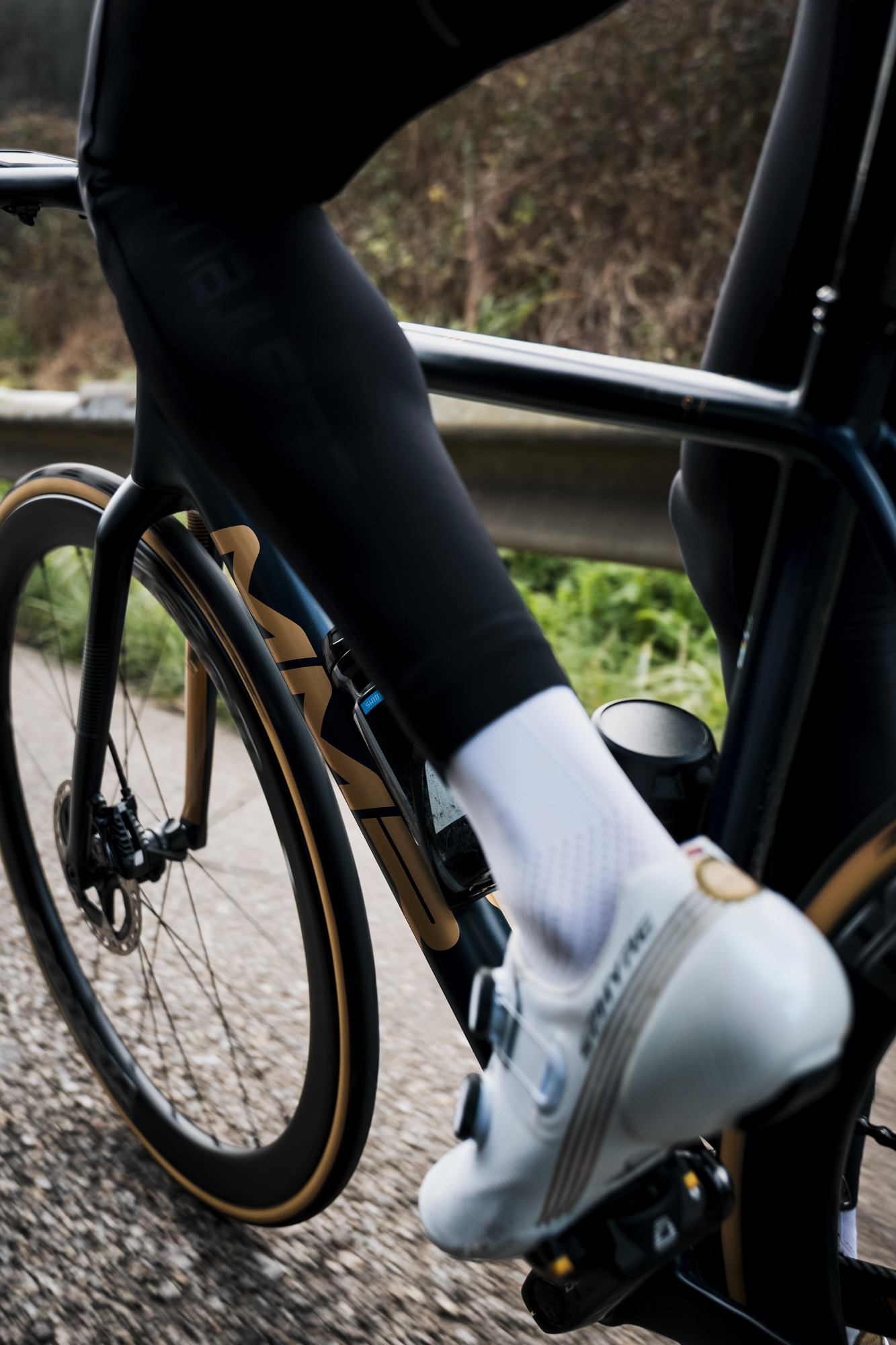
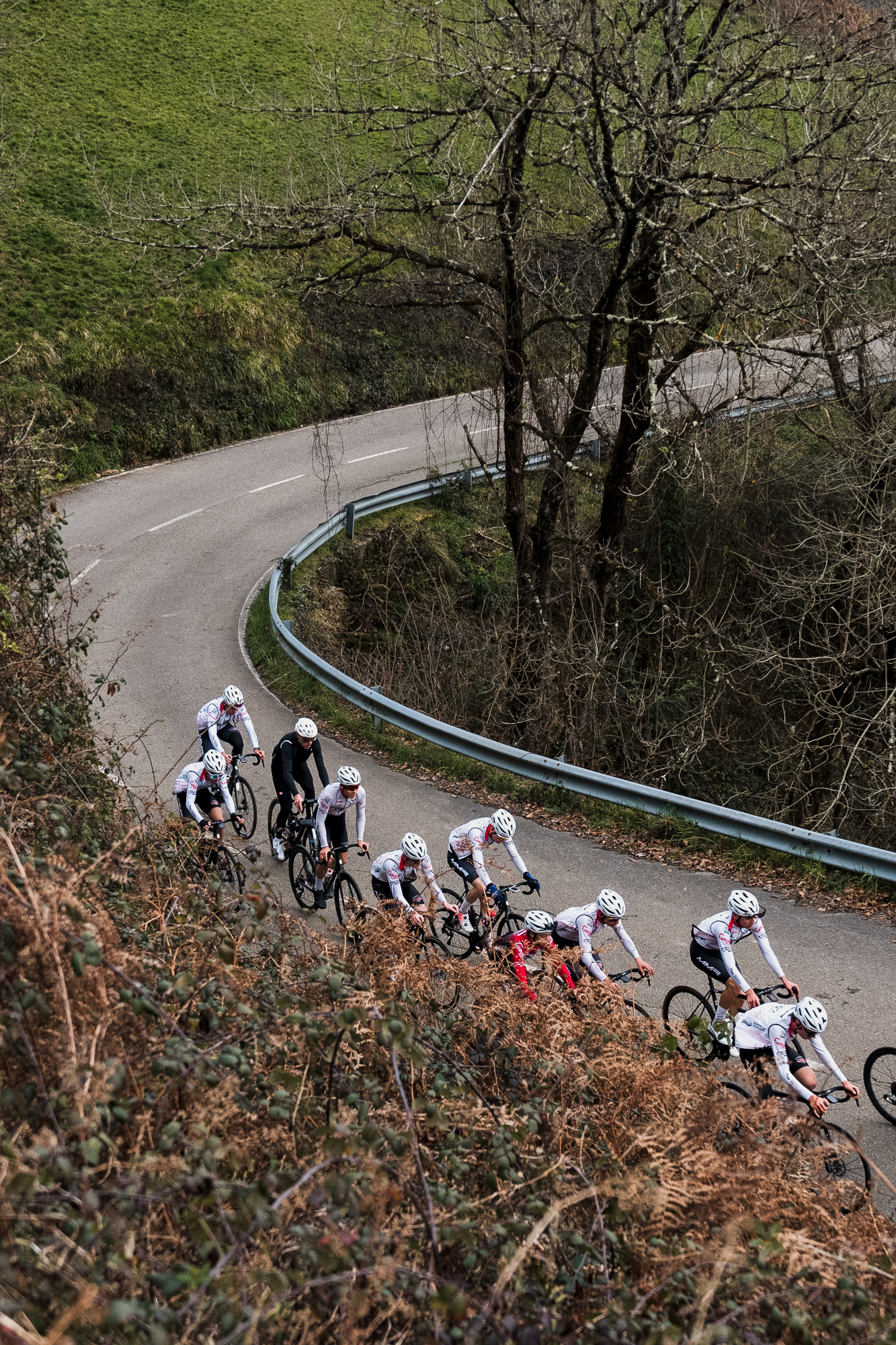
Cycling academy
After a development process, the idea for what we know today as the MMR Cycling Academy was conceived by Daniel Alonso and Samu Sánchez, in addition to former professional cyclist Benjamín Noval, who decided to join the project too.
From the beginning, the academy has always had a strong commitment to the growth of young cyclists through their personal, educational, and athletic development. Among its goals is to enhance its members’ ability to face challenges related to cycling or not.
“The precursor to the idea and the development of the entire project came from Daniel Alonso, and little by little, the concept developed. The school, in addition to training future cyclists, is a perfect testing ground for bicycles, components, team clothing, nutrition, and any other contributions we receive from our sponsors.”
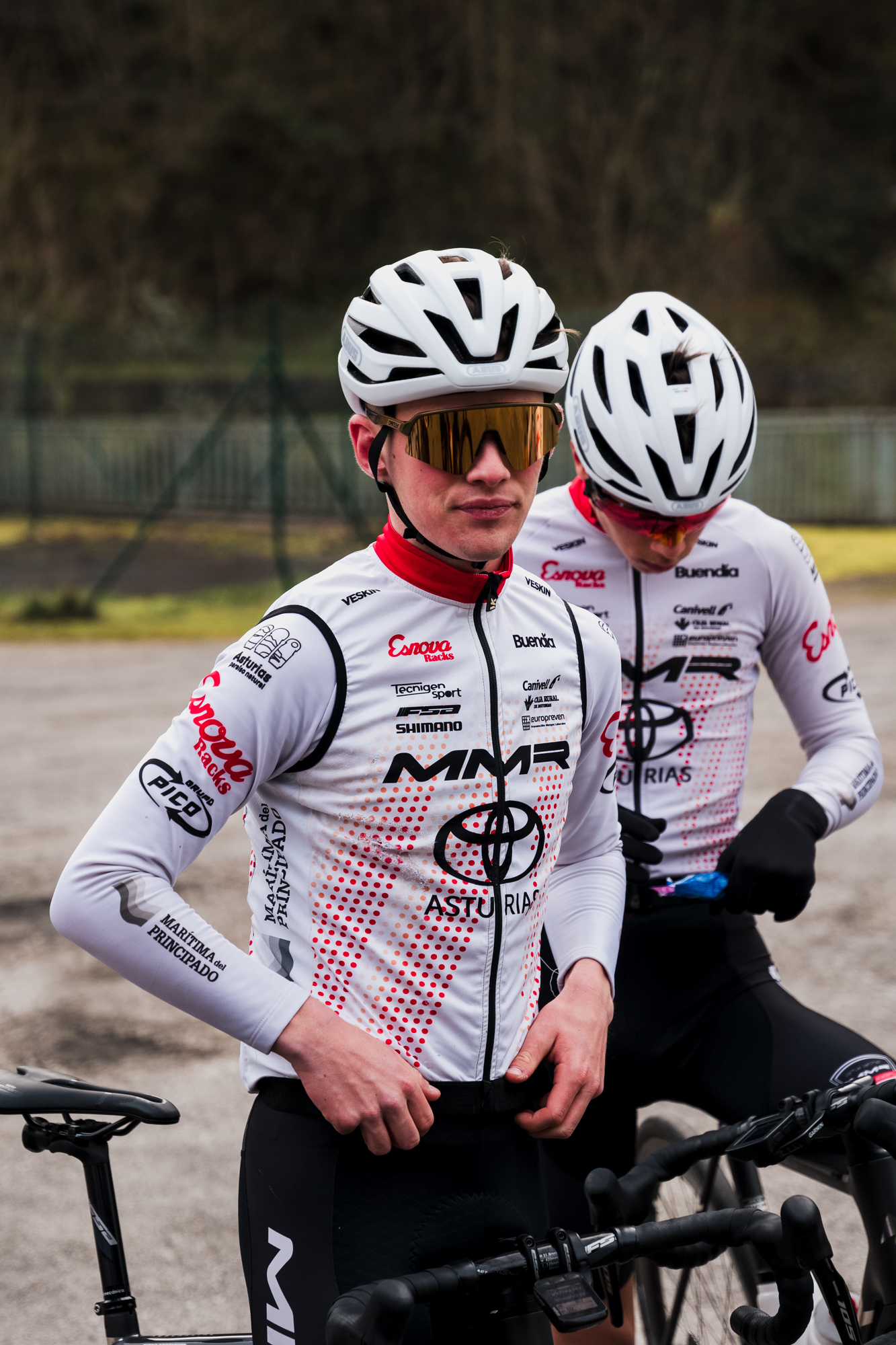
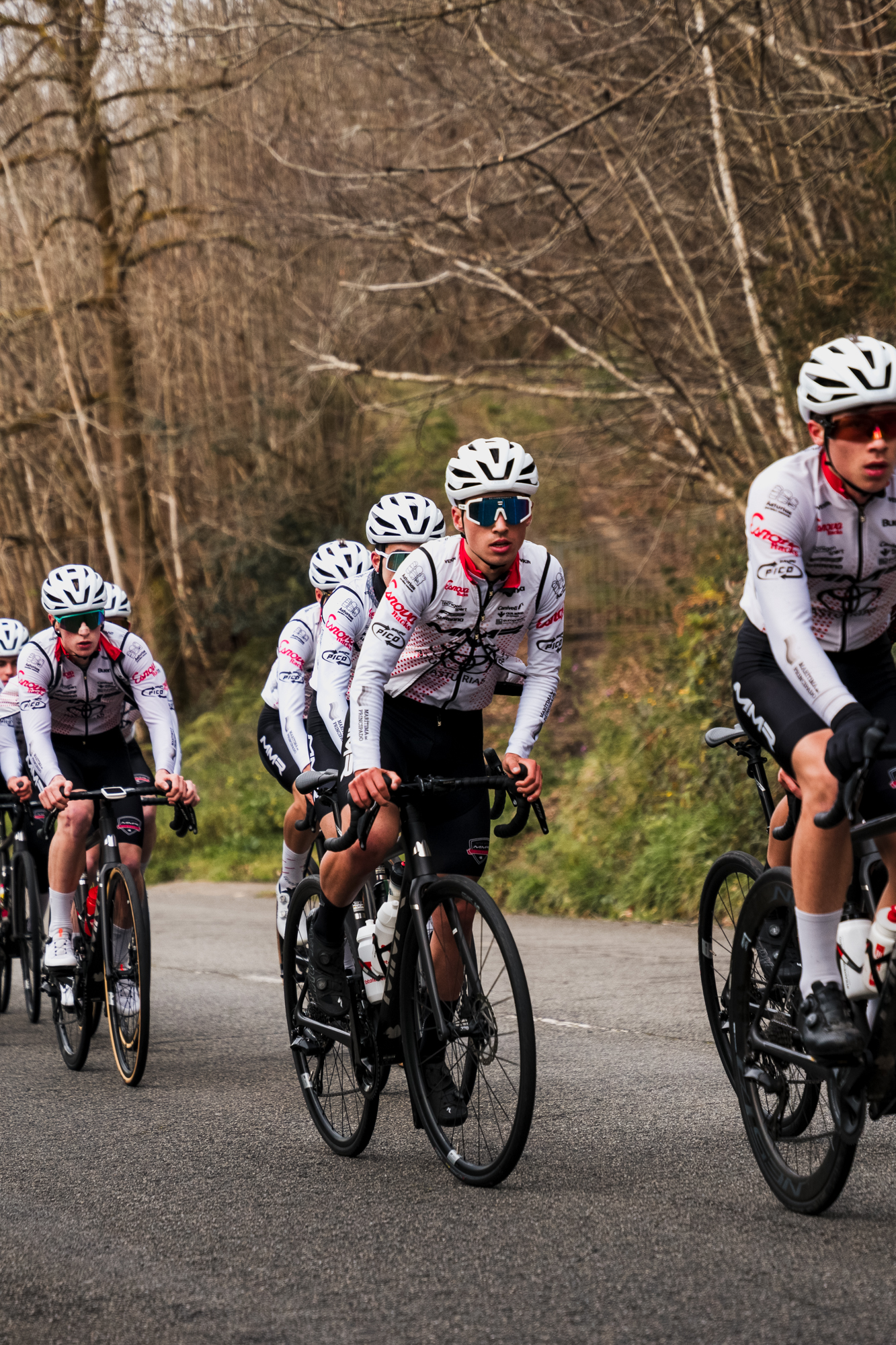
The project’s scope includes the cycling school, with boys and girls aged 9 to 14 who attend the academy facilities in Avilés a couple of times a week; the cadet team, with students ages 15 to 16 who are already starting to leave home and participate in some races; and the junior team, with riders between 17 and 18.
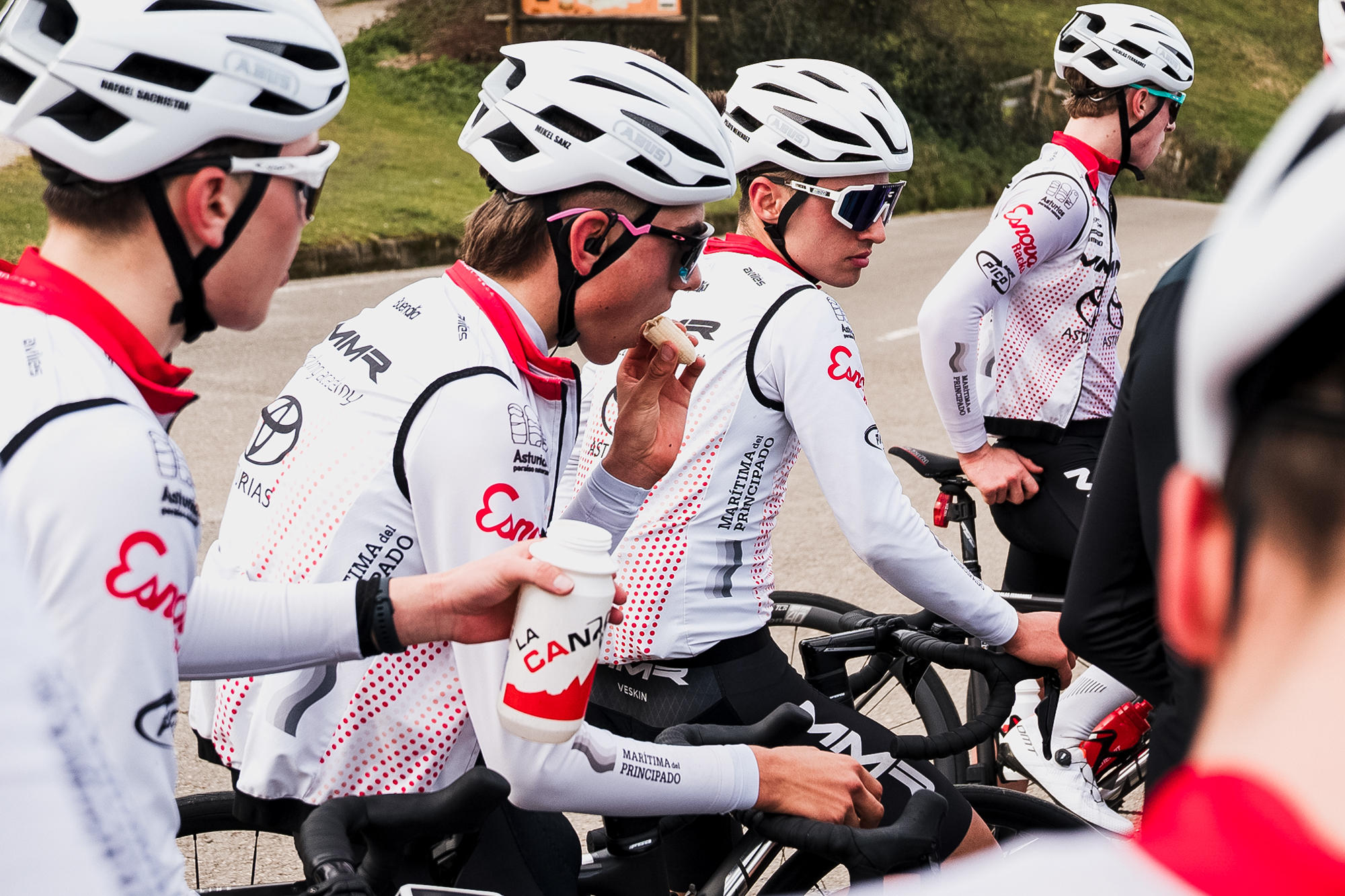
During our conversation, Samu explained that his role within the academy is to ensure everything runs smoothly. By this, he doesn’t mean repairing bicycles or maintaining team vehicles. His role ranges from “opening doors” to secure funding for the project to administrative tasks, communications, organizing team travel, and more. In short, he takes care of everything that the technical side of MMR Academy doesn’t cover.
At the same time, he constantly emphasizes the great value of sponsors in projects like this. Without that financial and material support, the academy wouldn’t be a reality, and that’s why he and his entire team always try to explain to the riders the importance of knowing who they represent, being respectful, and consistently projecting a positive image in both their professional and personal lives.
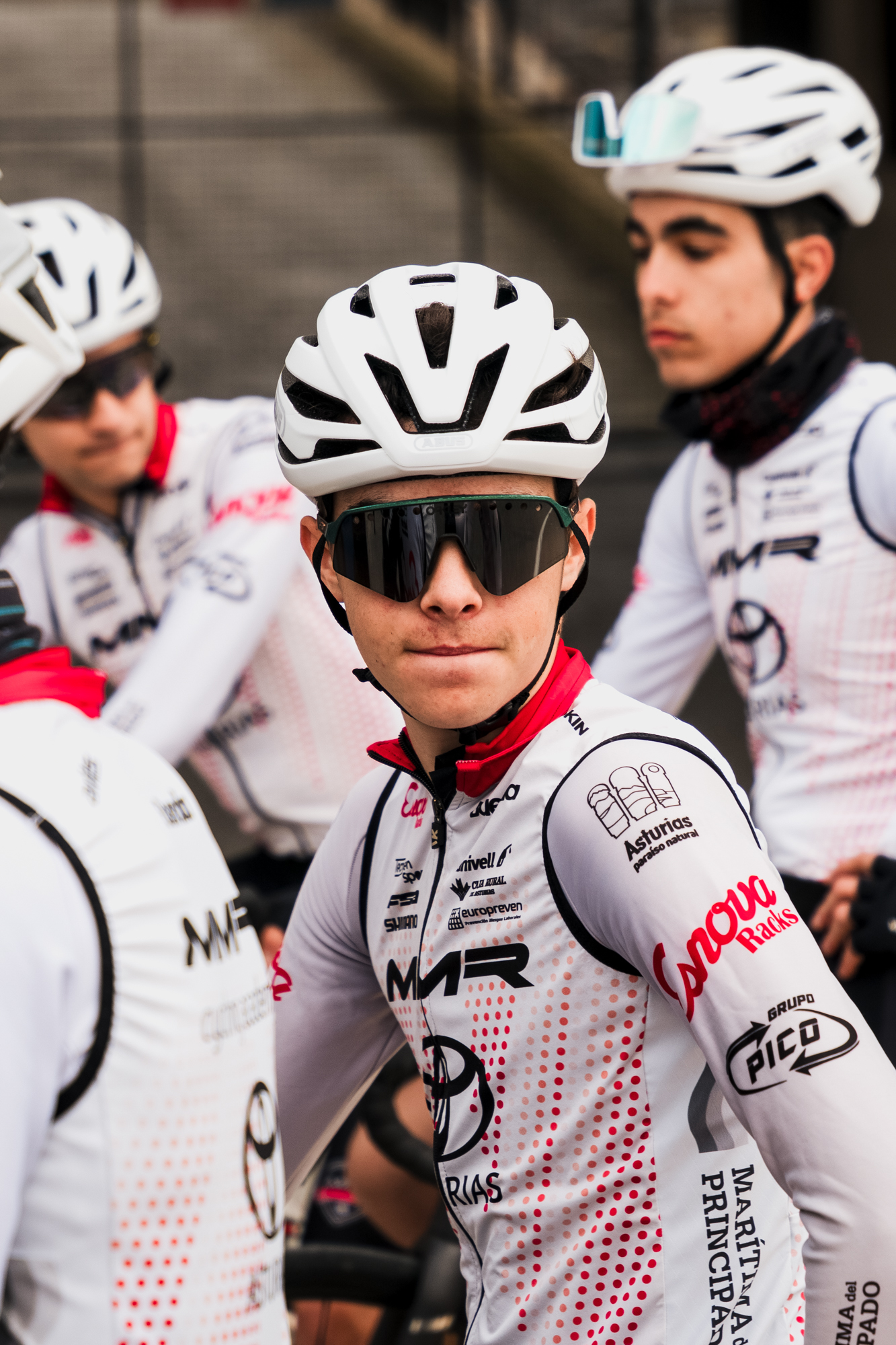
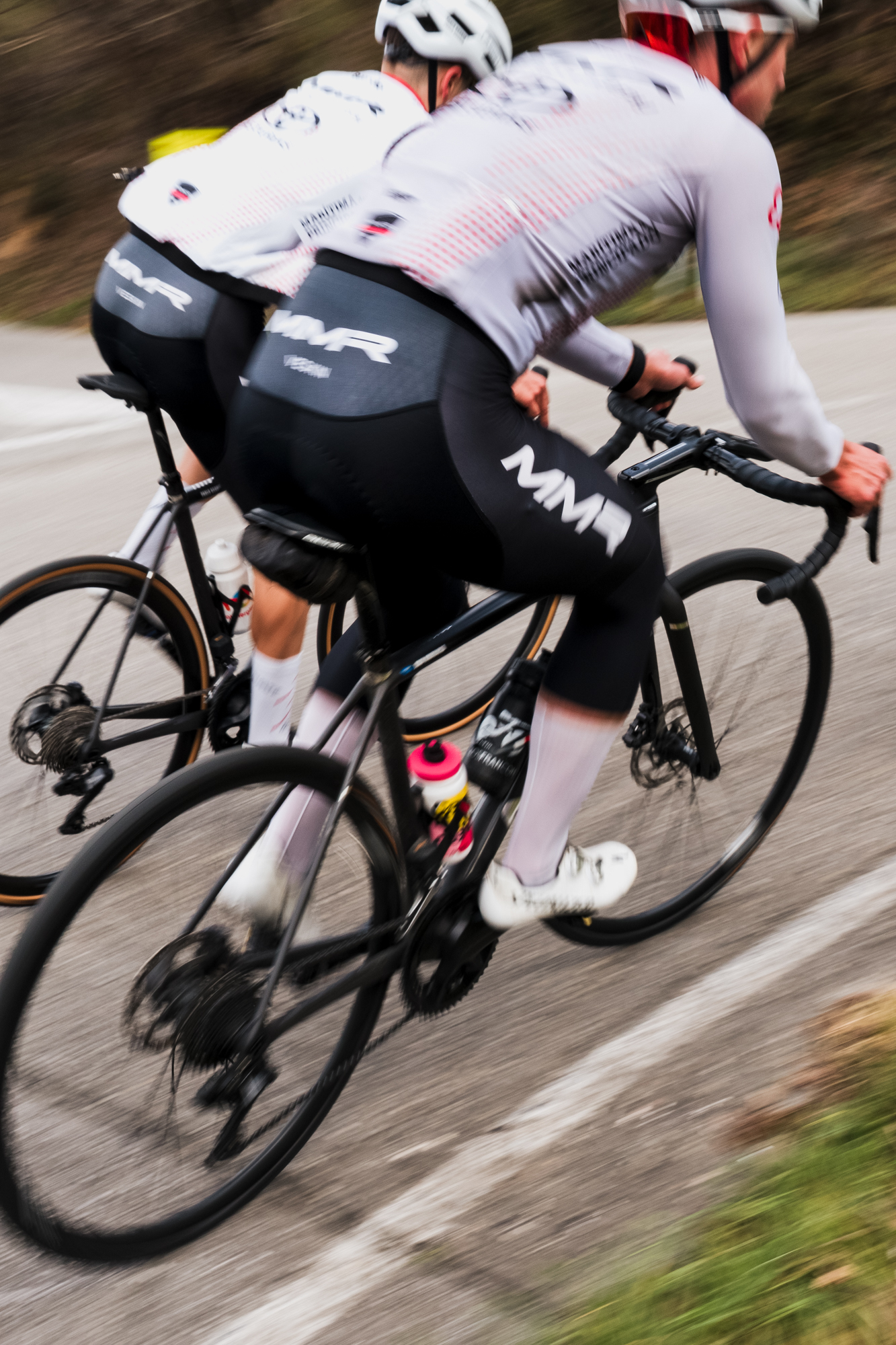
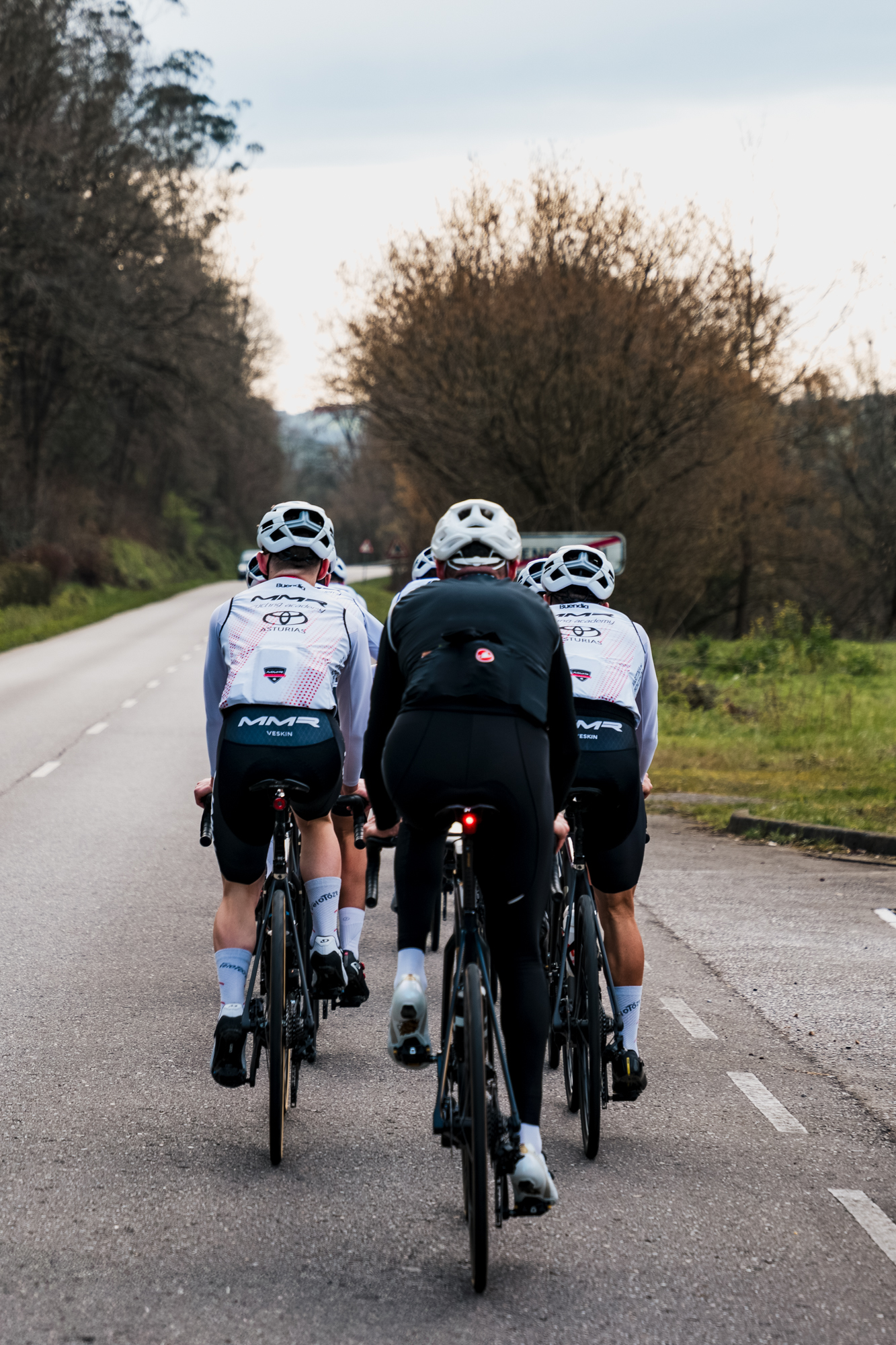
Many of the international academies are part of large WorldTour organizations and have a budget that’s much higher than the one from MMR Academy. It is then a matter of making the most of every cent available.
Continuing our conversation, we end up talking about women’s cycling and the possibility of having a division within the academy, but, unfortunately, the financial factor once again takes center stage in this regard. Samu, however, firmly explains that they currently have a female presence at the MMR Academy, but only up to the cycling school.
Since Asturias already has its own women’s cycling team, most of the riders who complete their training at the MMR Academy cycling school end up with Viella-Guttrans. On the other hand, she acknowledges that maintaining a women’s team currently lacks the riders or sufficient resources to undertake it.
Success stories
We’ve already seen riders with big potential come from the MMR Academy, who are currently shining in top-flight teams. This is a clear sign that the work being done at the academy is truly excellent.
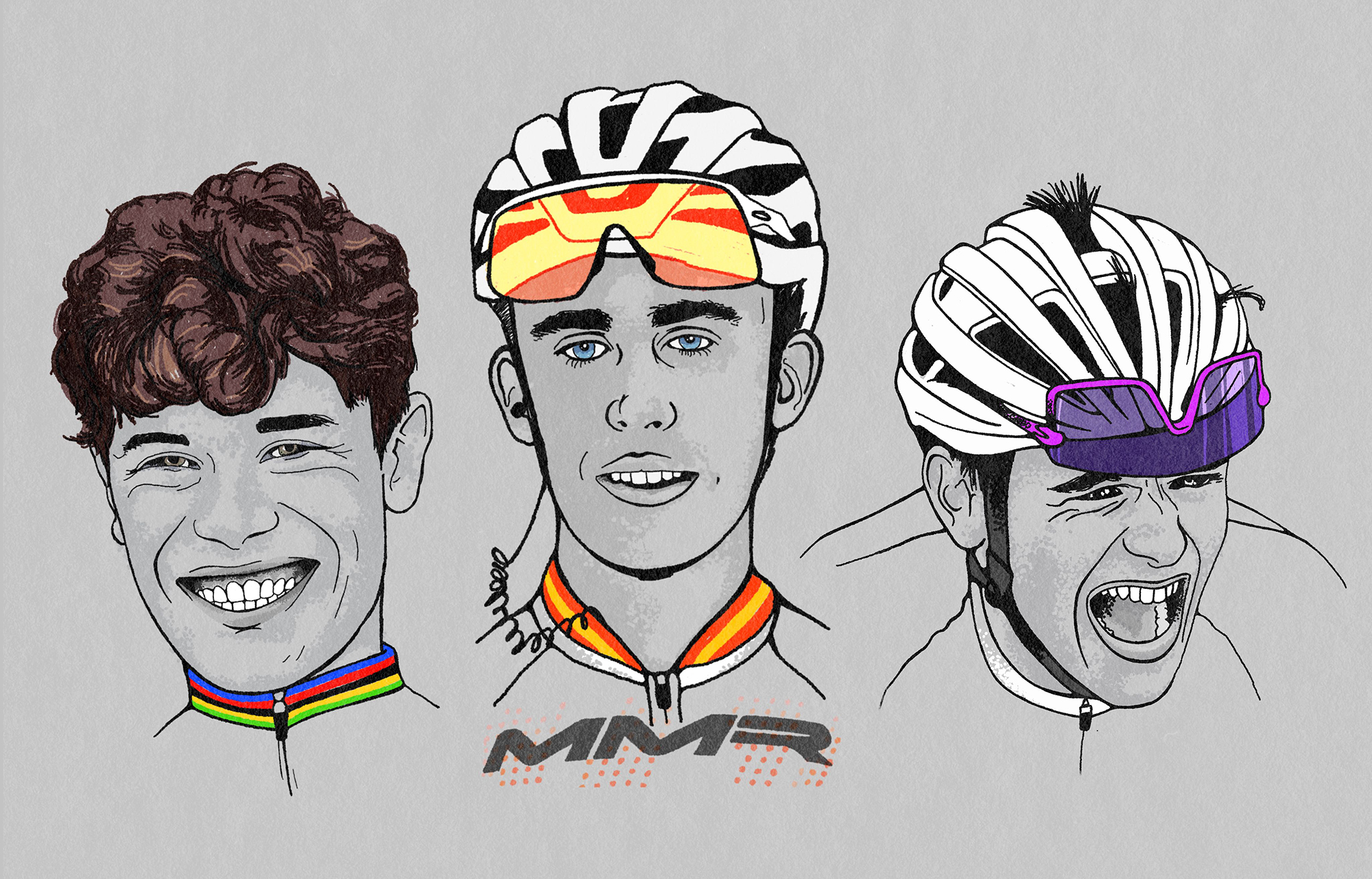
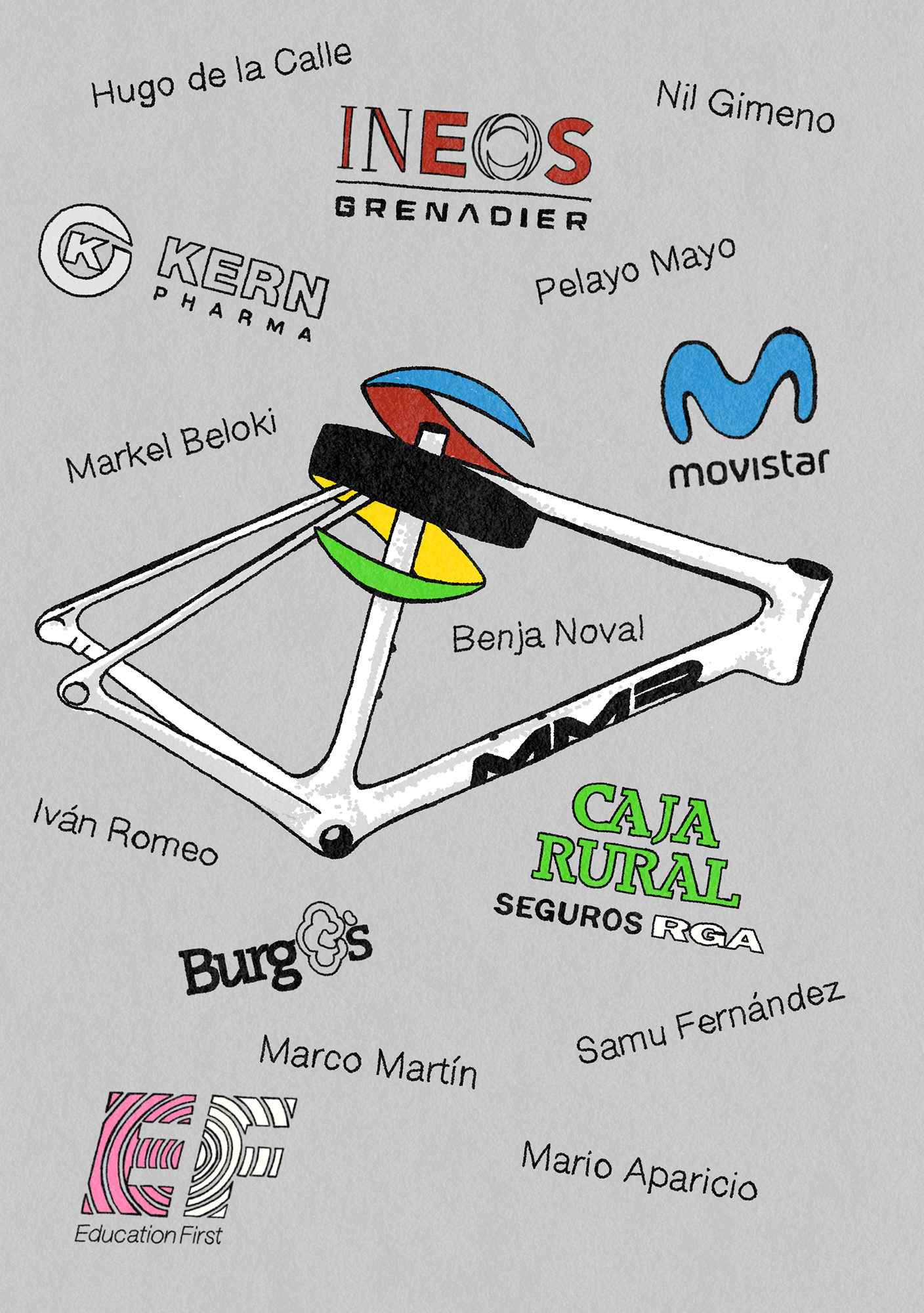
Several figures have emerged from the academy led by Samu Sánchez, including Ivan Romeo and Pelayo Sánchez, both Movistar Team riders with promising careers ahead of them; Markel Beloki, son of renowned cyclist Joseba Beloki, who moved up from the Junior category to sign a contract with the EF Education – EasyPost team; Mario Aparicio and Hugo de la Calle, who are currently part of the Burgos Burpellet BH team; Nil Gimeno, a member of the Kern Pharma Team; Samu Fernández of Caja Rural-Seguros RGA; Or, the most recent and perhaps one of the most talked-about in recent months, the case of Benjamín Noval, who at just 16 years old has already signed a professional contract with the Ineos Grenadiers team, which will take this promising national cycling star to the WorldTour category starting in 2027.
But not all members of the academy are success stories. The percentage of riders who make the transition to the professional level is very low, and only a few manage to achieve it. Managing these situations also plays a crucial role for the academy team. Samu acknowledges that dealing with the frustration of riders who fail to achieve their dreams is not easy, but making them see reality is part of his job.
MMR’s role
MMR’s level of commitment to the project is huge. In addition to the financial support provided by the Asturian bicycle brand, it provides all the necessary equipment to each and every member of the academy. There’s no comparison; everyone has the same equipment: carbon frame and wheels, electronic groupset, competitive components, and spare parts in case of a crash or breakdown. We’re sure to forget something, but without a doubt, the commitment to young cyclists is top-notch.
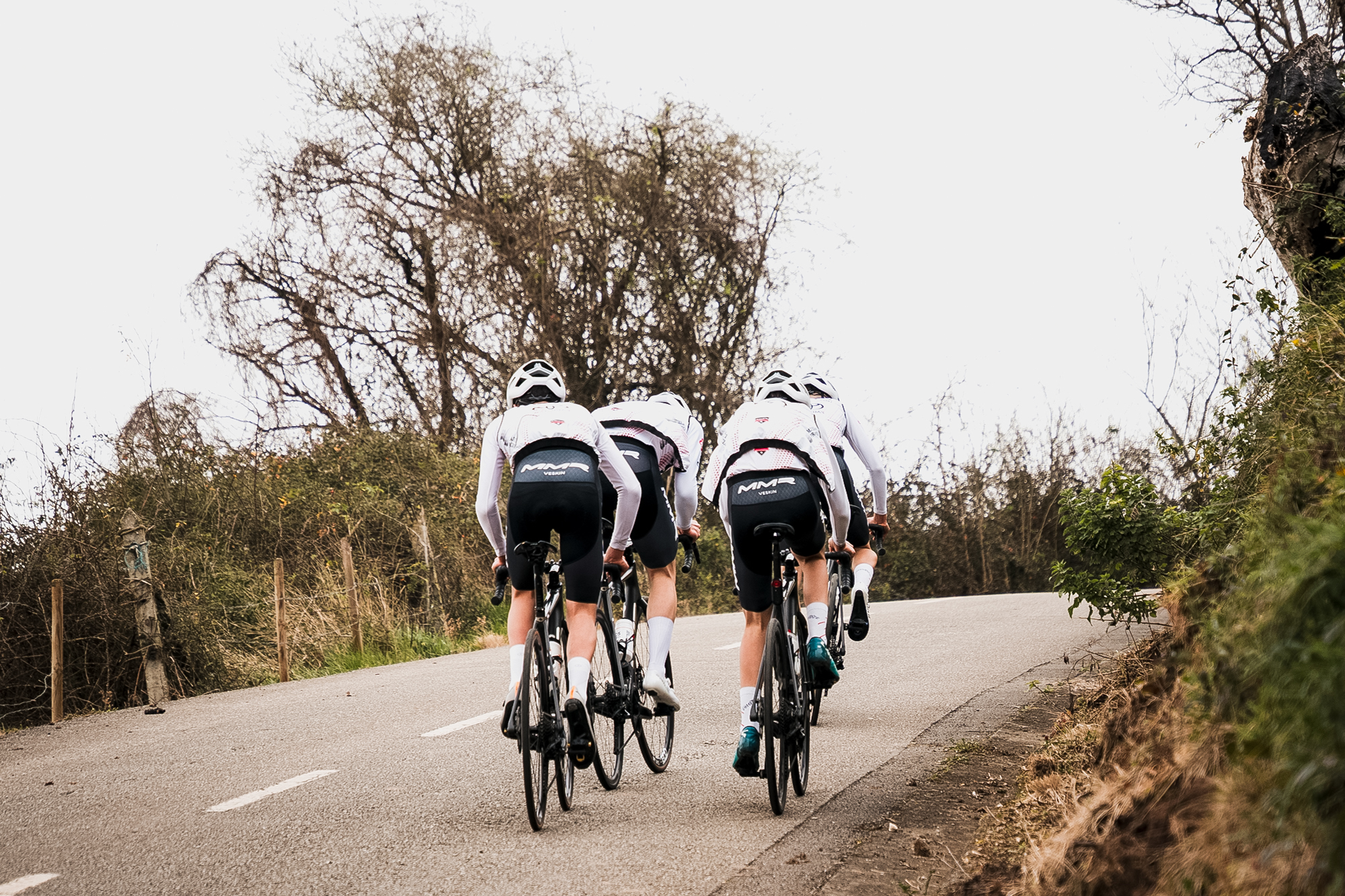
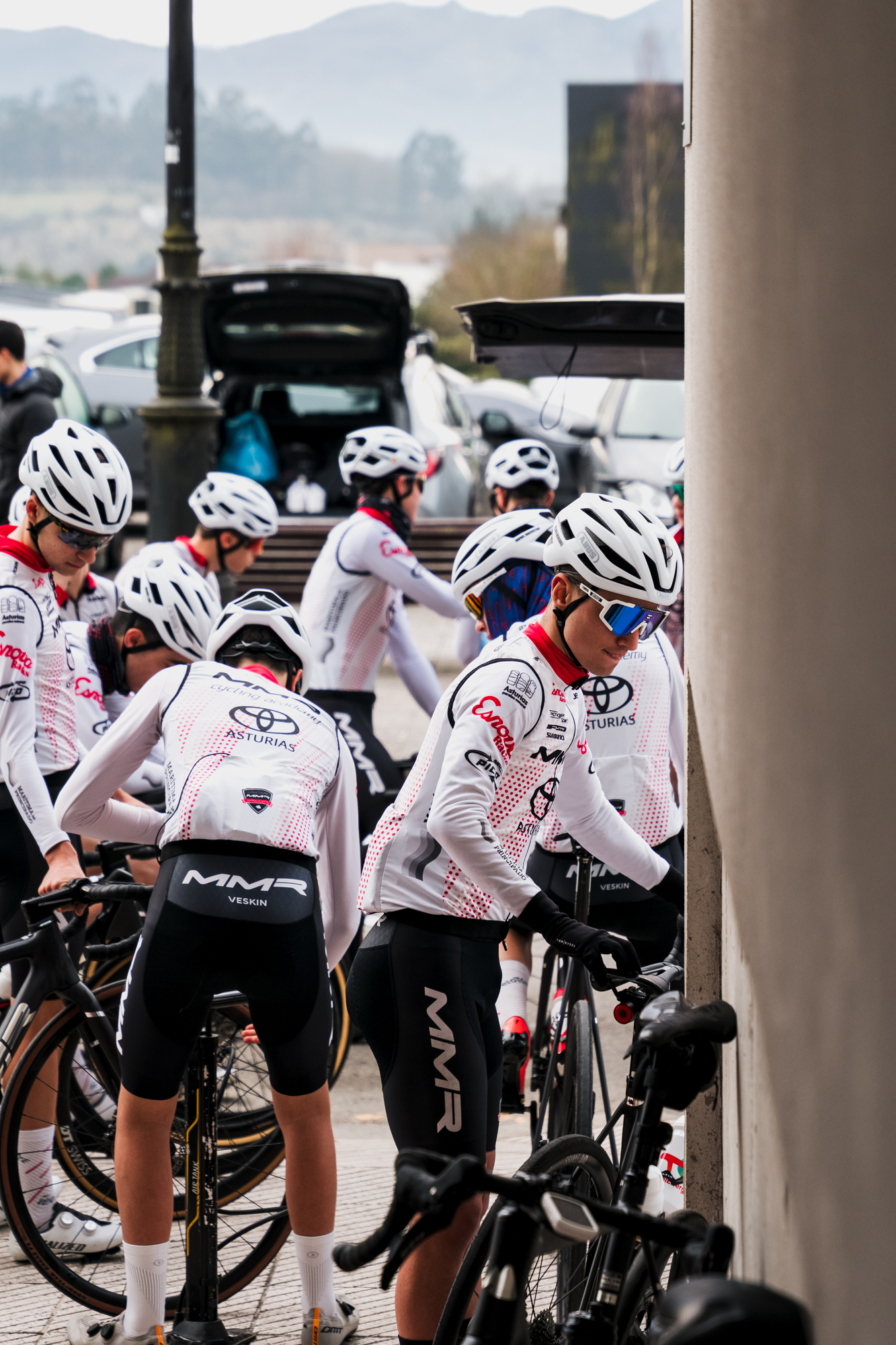
The care and maintenance of all the equipment supplied to the academy’s riders is the responsibility of the young cyclists. Obviously, they rely on the team mechanics, who are responsible for keeping the bikes ready, but the riders must be responsible for the equipment and clean, maintain, and respect it. It’s a gesture of respect for the sponsors and the efforts they make to keep the project moving forward.
Future challenges
When we asked Samu about the academy’s future, his answer can be summed up in two words: financial muscle. Everything in life works with money, but in the case of a project like this, where its livelihood depends on the contributions of others, everything becomes even more complicated.
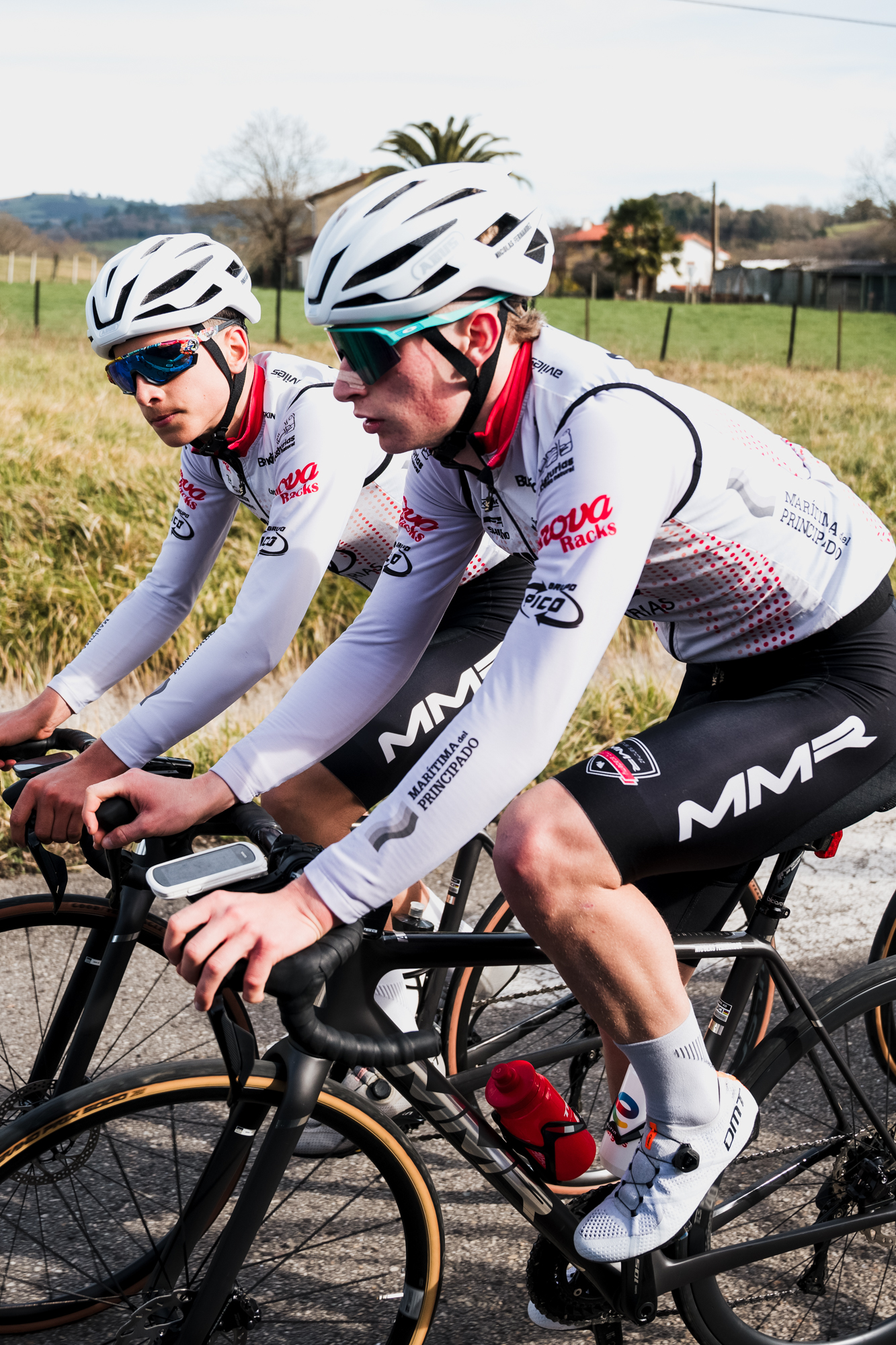
“Personally, if I had a blank check, I would like to have my own professional team, an unlimited budget, ride the Tour de France, and, if possible, have Tadej Pogačar and win it all. Being realistic and thinking about reachable goals, I want to consolidate the academy, ensure that the staff that makes up the MMR Cycling Academy continues to grow, that sponsors continue to believe in the project, and that we can continue to thrive in cycling.”
At the national level, the ideal scenario would be for professional teams to be in charge of the entire rider development cycle, from academy to WorldTour team. But with the current resources and budgets available to teams, this is unfeasible. Not even Movistar Team itself could afford a project of this magnitude. Furthermore, the possibility of directly associating the academy with a team and becoming its subsidiary is also not an option due to the incompatibility between the agreements with the brands of each party.
“I prefer to continue in the situation I have now, rather than have a Continental team and not be able to guarantee the riders’ conditions. As has been seen in other cases.”
