


Q36.5 has never been a brand to follow convention. From their radically engineered textiles to their anatomical approach to garment and shoe construction, the Italian company has built its identity around pushing performance through obsessive detail. Their newest project, developed together with SRM, might be their most ambitious yet: a fully integrated shoe–cleat–pedal system designed from the ground up to deliver the lowest stack height in modern road cycling.
And what is stack height? In a world of marginal gains, shoe brands have recently tried to lower the height from the center of the pedal spindle to the ball of your foot that sits above it. The total height takes into account the pedal spindle itself, the pedal body, the cleat, sole of the shoe, and the insole.
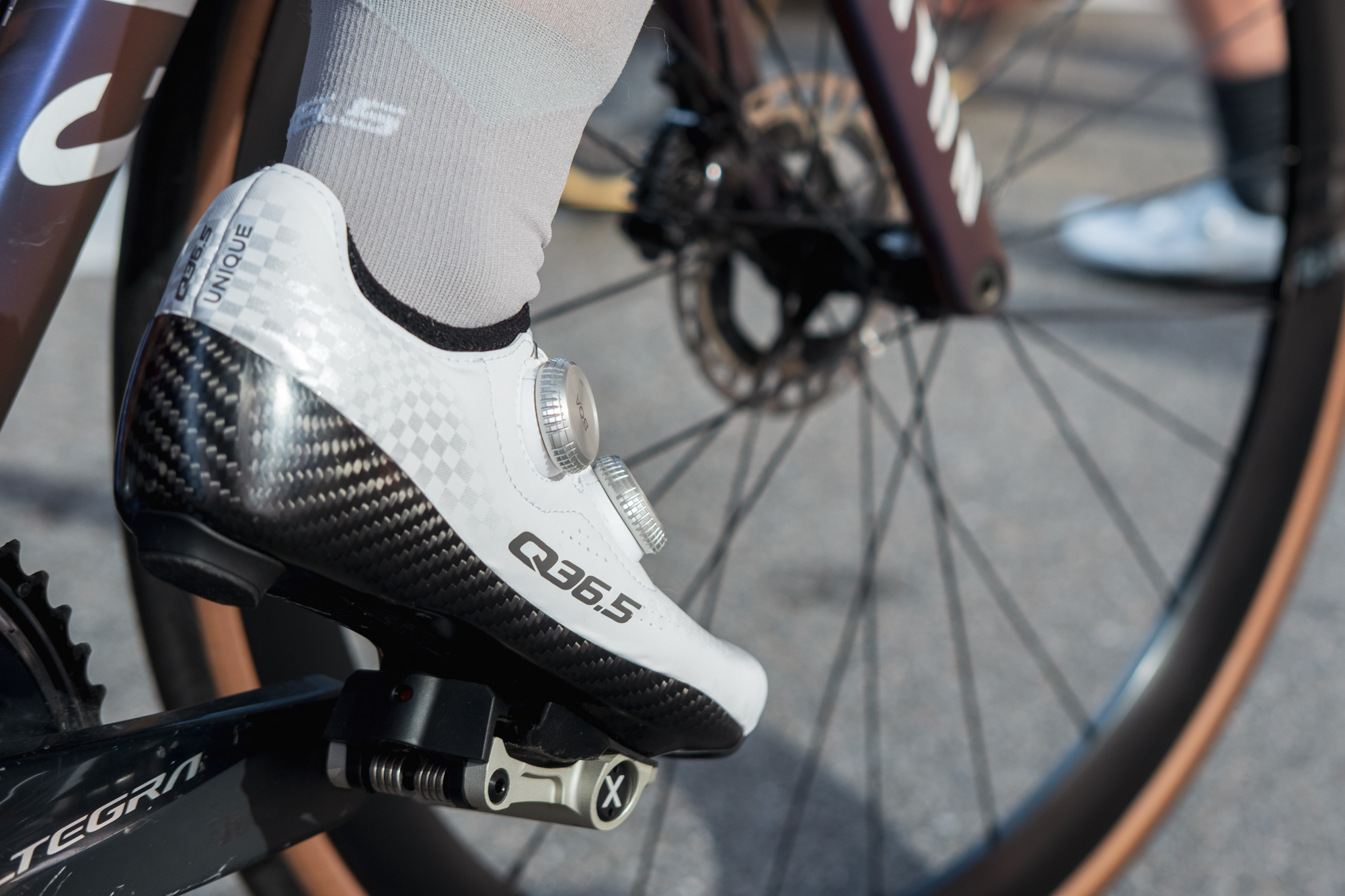
The components of the system
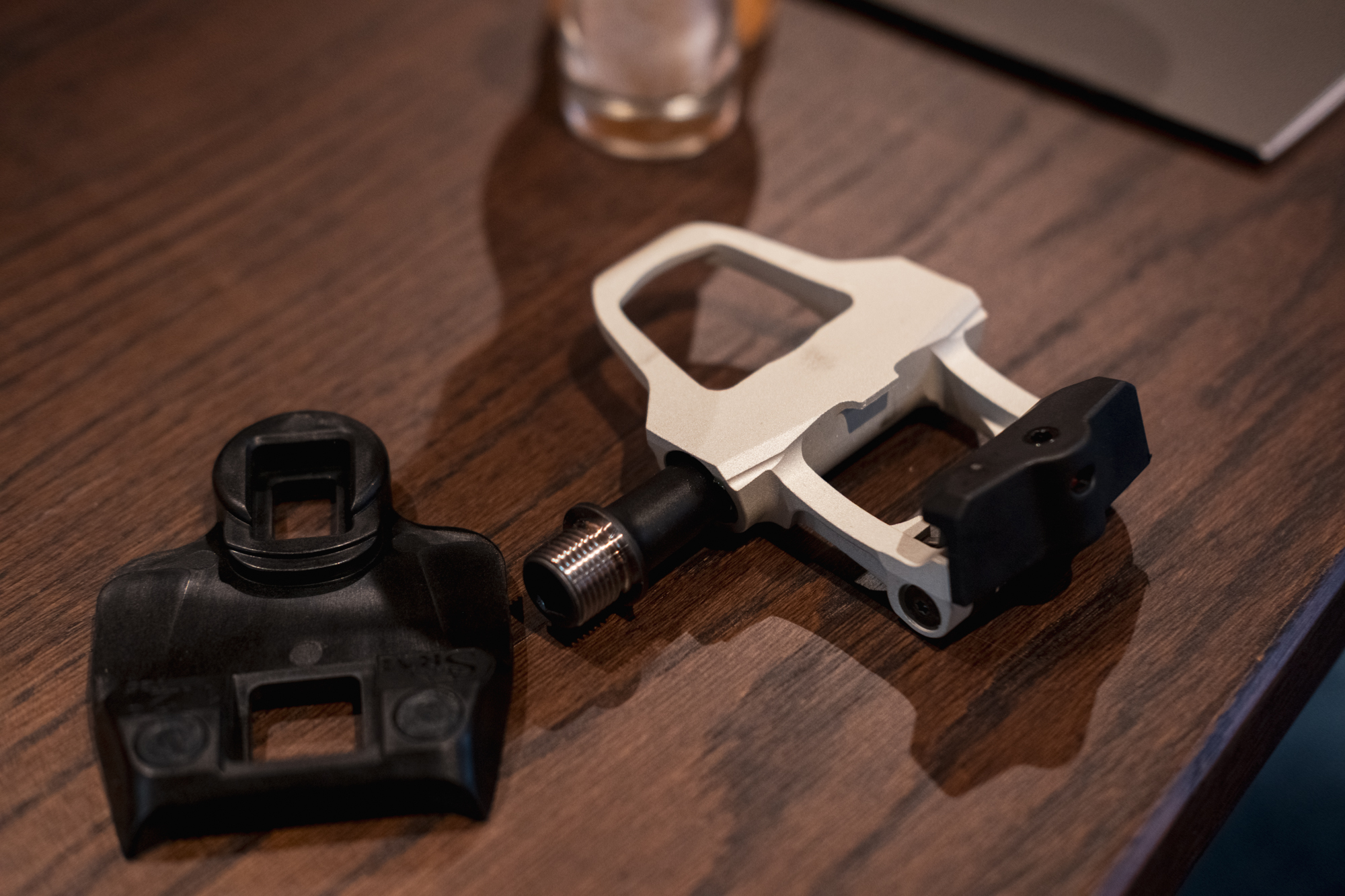
The new system combines the X-Power Direct pedals from SRM and the Q36.5 Unique Pro 4.0 shoes. On the one hand, the pedal is cast-dyed in aluminum and each pair weighs 311 grams, including cleats and screws. On the other hand, the shoe counts on an innovative carbon sole, patent pending, which is considered to be the thinnest on the market. Combined, the total stack height is reduced to 11.9 millimeters, compared to the standard 17.8 mm of a mainstream road system.
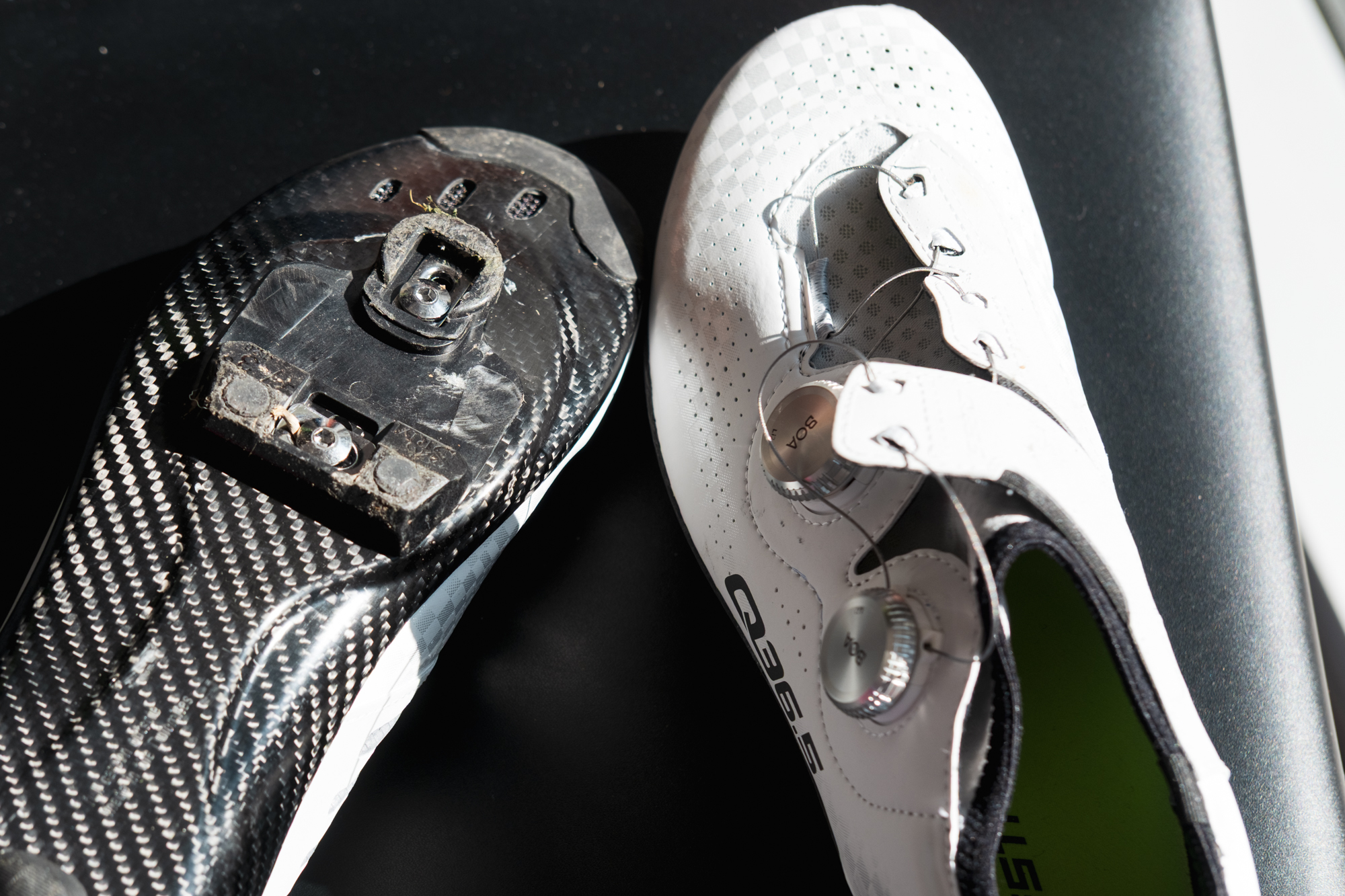
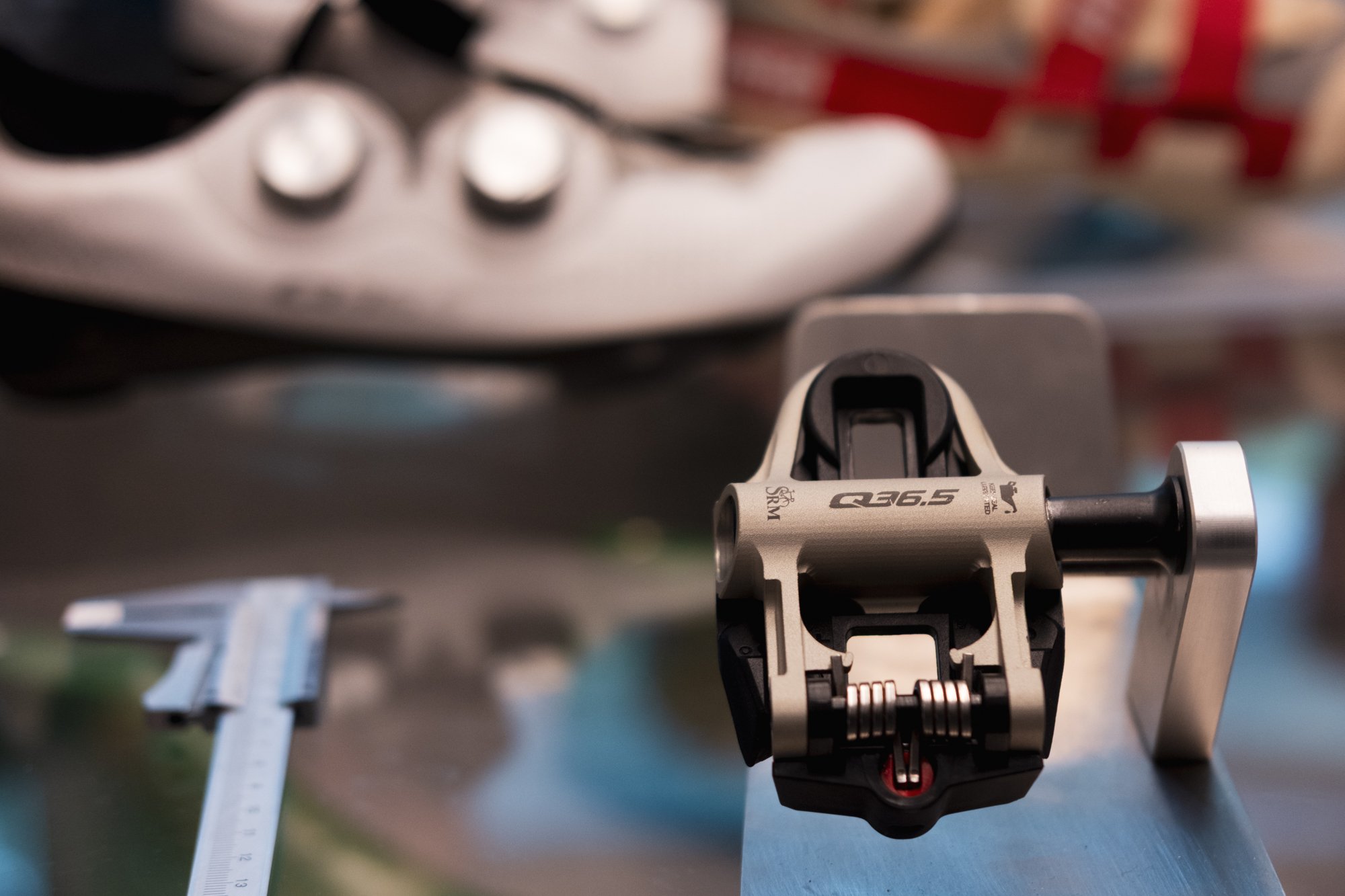
The designs are aligned as the wider contact surface of the pedal body, which follows the shape of a standard bike shoe sole, requires a repositioning of the positive elements of the cleat. This also means that one extra hole in the shoe sole is required, something currently exclusive to the Unique Pro 4.0 shoes.
When two innovative minds meet
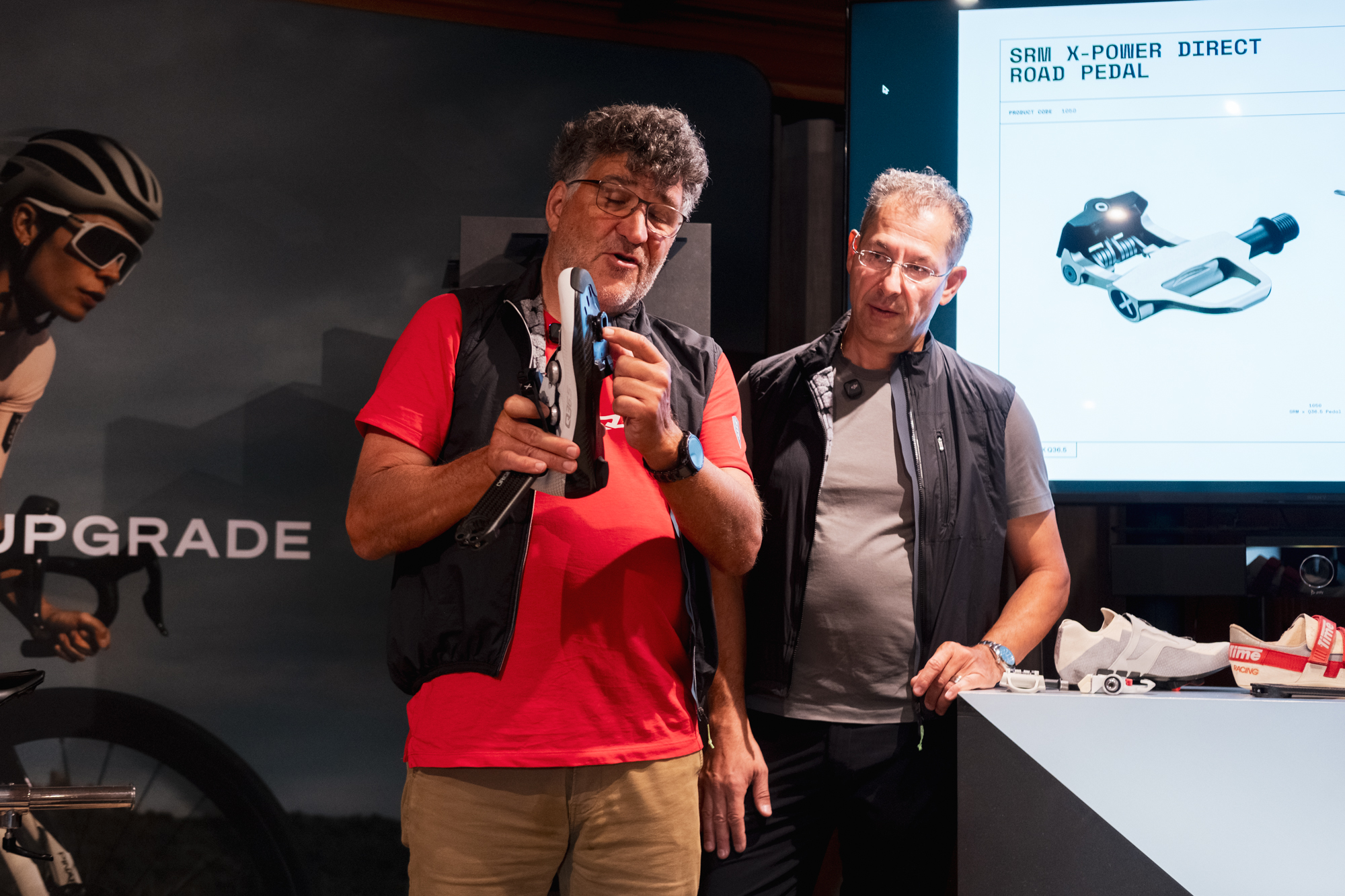
We were introduced to this innovation in Italy by Luigi Bergamo and Ulrich Schoberer, the founders of Q36.5 and SRM, respectively. That morning, straight after a filling local breakfast, they explained the story behind the development of this innovation, and you could see in his eyes how proud they were of the result of the collaboration.

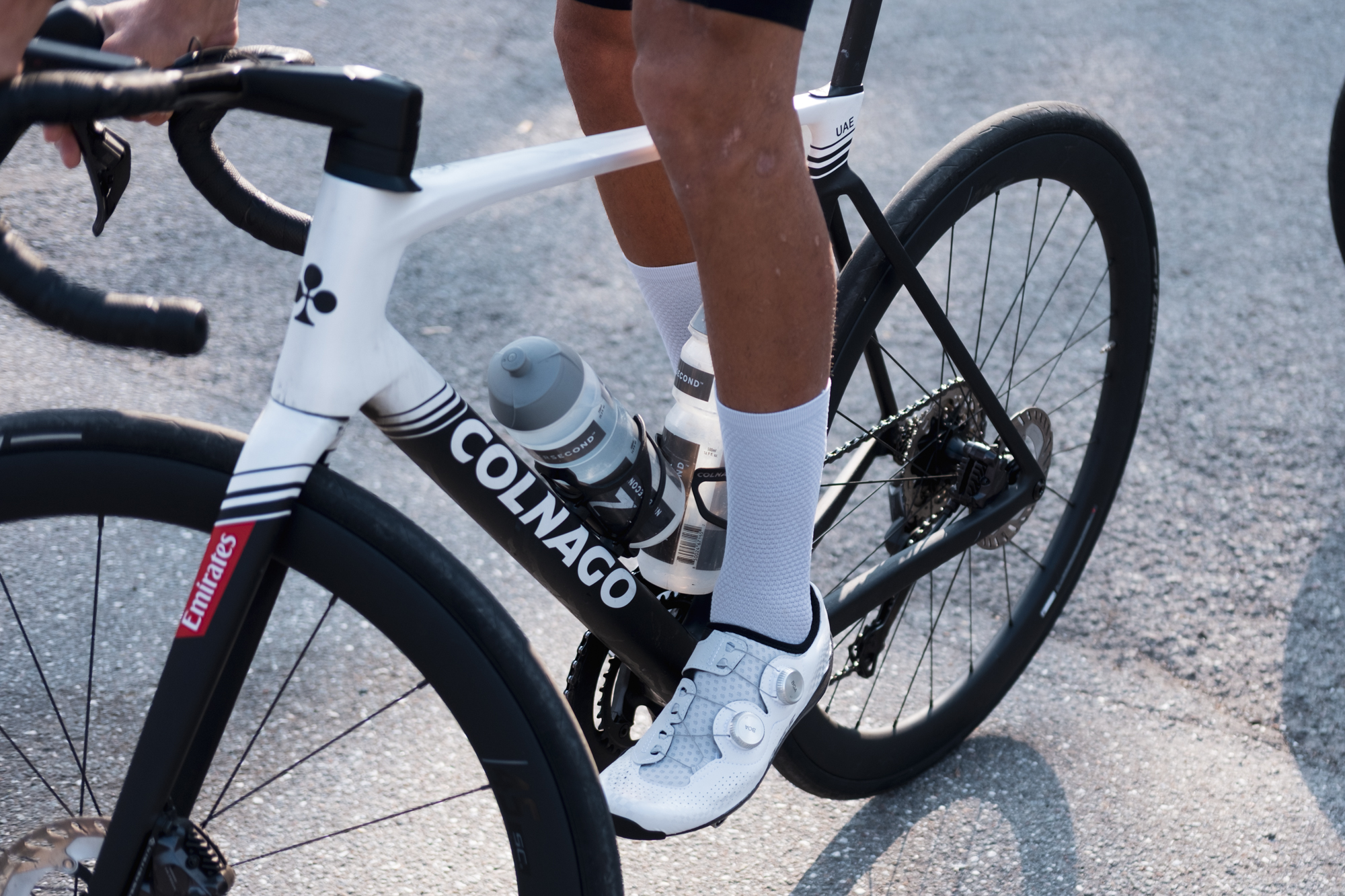
Over the following couple of days, we tried the Unique Pro 4.0 shoes and their complementing SRM cleats and pedals, and straight away we felt engaged in every pedal stroke. We traveled to the Dolomites with our own road bike, so the differences were easier to spot. We felt an enhanced power transfer, and according to brand representatives, other benefits are a more aerodynamic position and greater stability, both as a result of the lower center of gravity due to the foot being closer to the pedal.
The test units had to be delivered back before heading home. Further testing will proceed soon, as even if those rides chasing Vincenzo Nibali and other ambassadors of Q36.5 were already enjoyable, we are eager to accumulate more kilometers with them. We cannot promise we will set a max power record, though. It’s December after all.
Impact on the creators and the market
Instead of adapting to existing cleat standards, Q36.5 worked with SRM to co-design every layer of the interface between the rider’s foot and the pedal axle. The result is a system where the carbon sole, the cleat platform, and the pedal body are all engineered to work as a single unit.
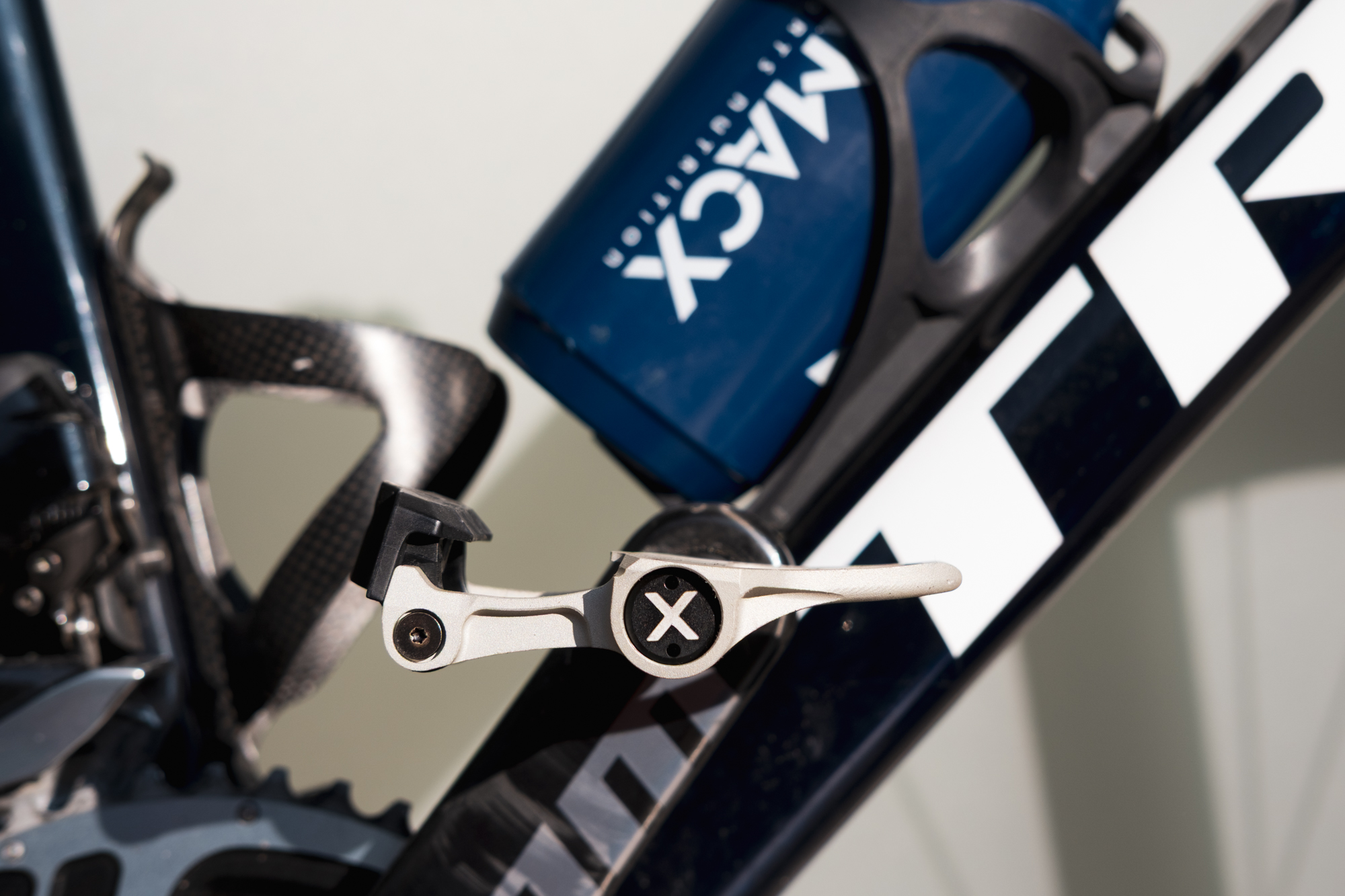
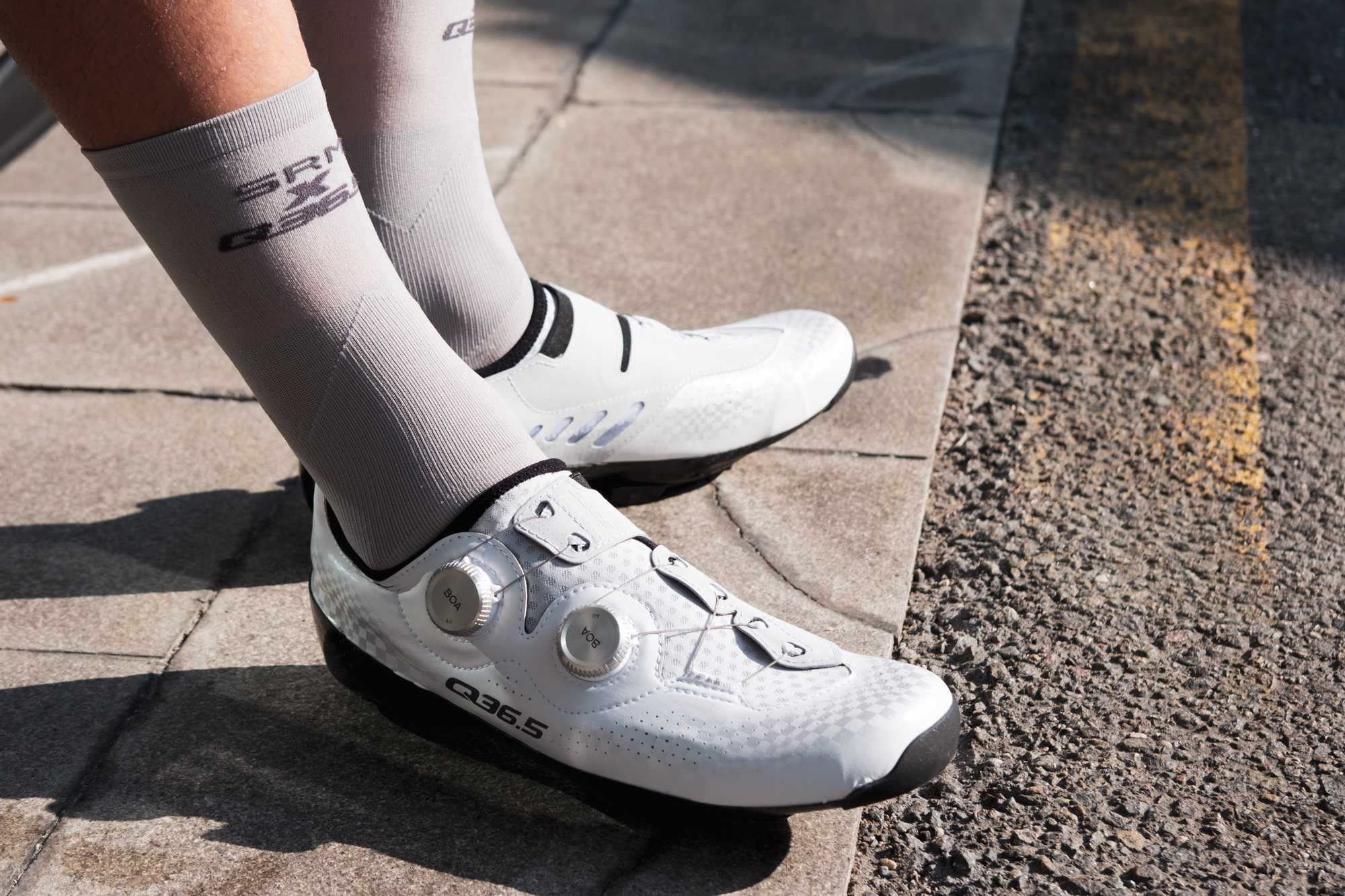
The six-milimeter stack height reduction comes from a thin, almost minimalist cleat body, a reworked sole structure in the Q36.5 shoe, and a pedal platform built specifically around that cleat. It’s a clean, almost architectural product philosophy: remove everything unnecessary, compress every layer, and reduce every millimeter between foot and axle.
For Q36.5, this is a natural extension of their philosophy: better performance through precision fit and refined contact points. It’s the kind of “hidden” benefits space the brand loves to explore: overlooked by many, yet rich with marginal gains for those who chase them.
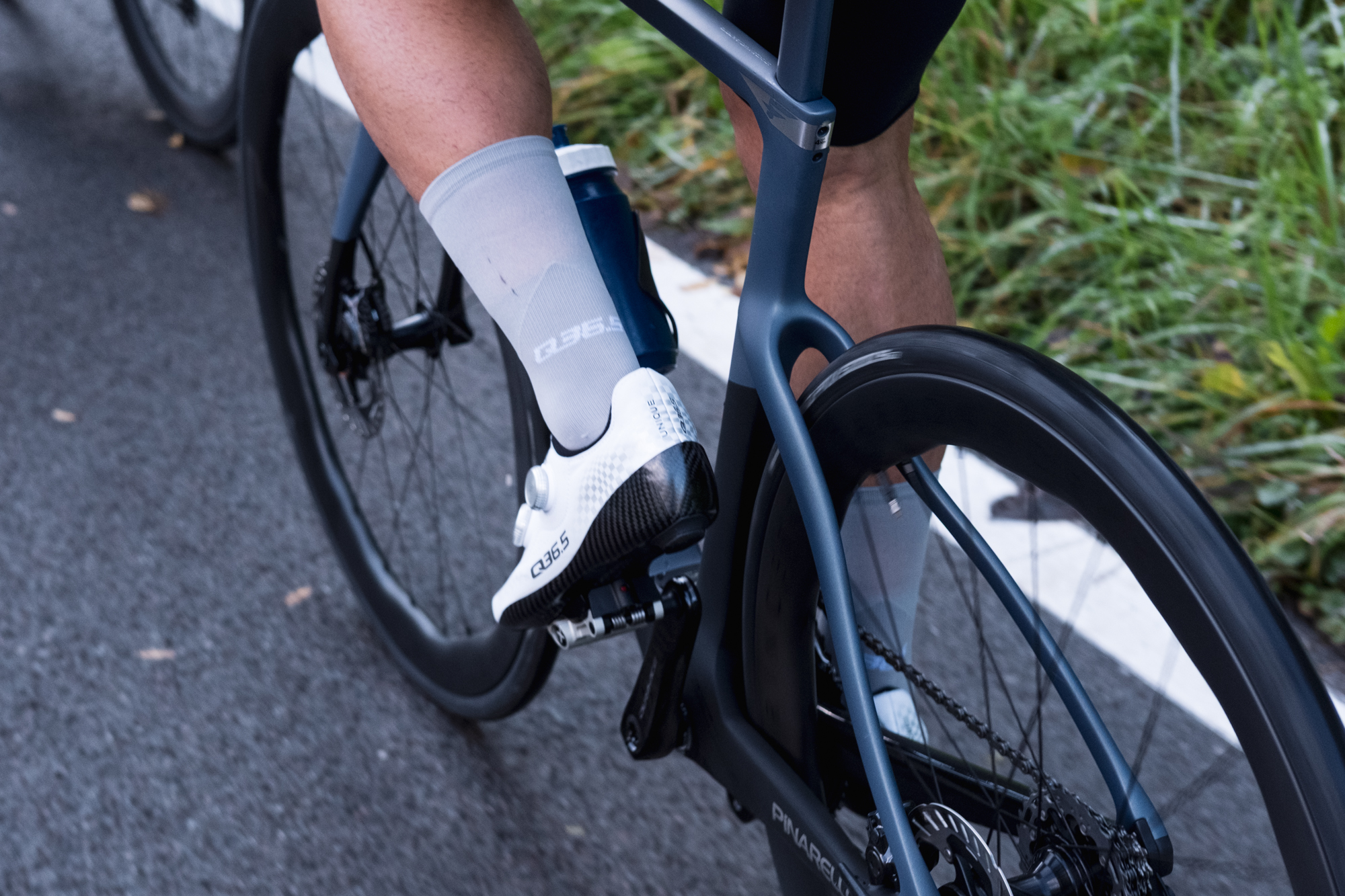
SRM’s role, meanwhile, brings engineering pedigree and an unexpected twist. The company that once defined the gold standard in power measurement is now shaping the mechanical connection of pedaling itself. No electronics, sensors, or strain gauges. This is a pure performance interface, not a power meter, and that alone marks a significant moment for the storied German brand.
Whether the theoretical advantages translate into quantifiable watt savings will become clear as independent testing, including ours, emerges. But what’s certain already is that Q36.5 and SRM have introduced a system that challenges longstanding conventions in footwear and pedal design.
